
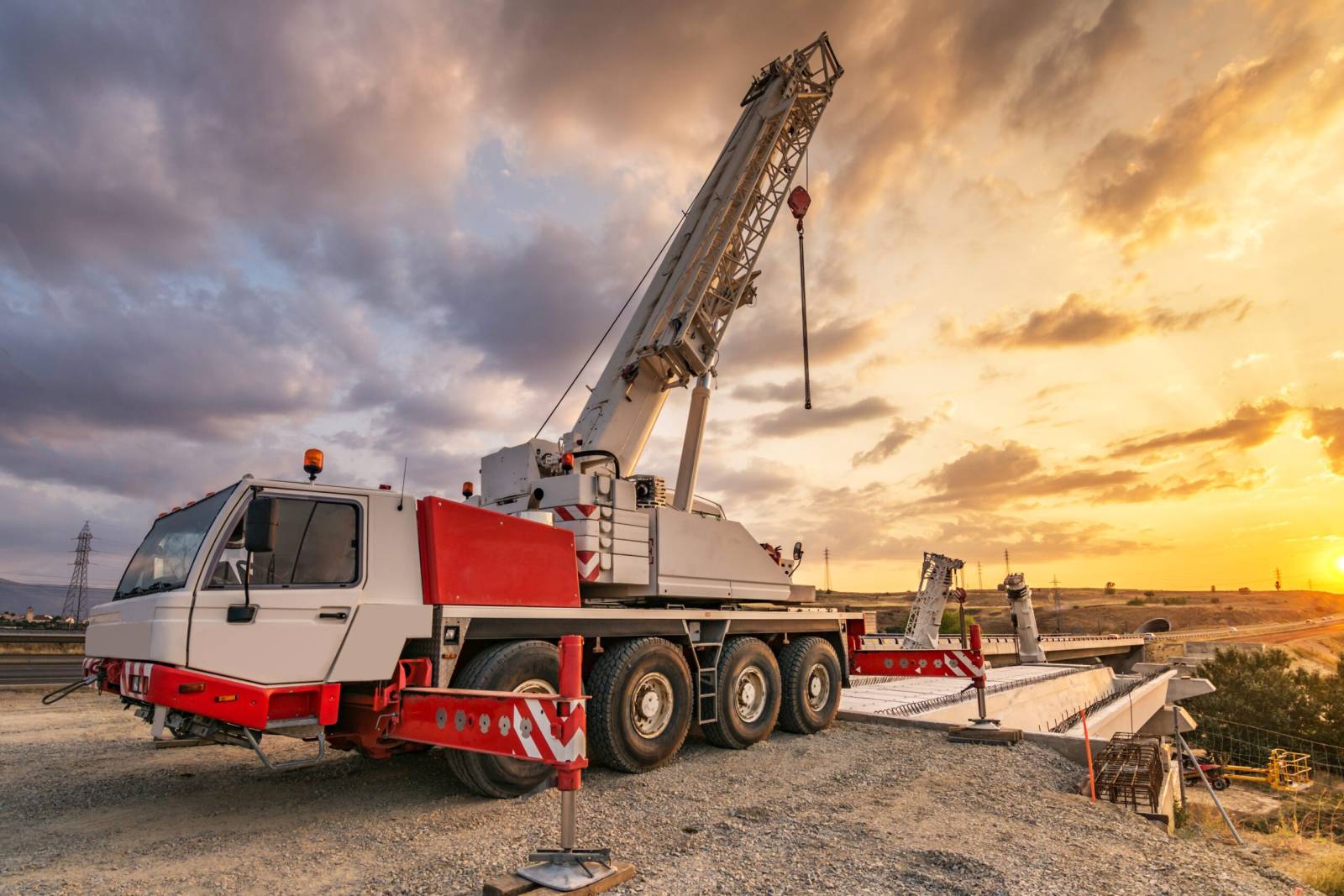

When it comes to high-risk work, maintaining safety and competency is not optional – it's a legal and moral responsibility.
According to the Queensland Mobile Crane Code of Practice 2024, mobile crane operators performing high-risk tasks should complete refresher training every 2-3 years to maintain their skills and stay up to date with current industry standards.
This requirement, supported by Workplace Health and Safety Queensland, reinforces the importance of continuous learning and safety awareness across all high-risk industries.
What Is Refresher Training?
Over time, even experienced operators can lose proficiency, technology can evolve, and safety standards can change. Refresher training bridges that gap – reinforcing existing knowledge, addressing skill gaps, and introducing new developments in crane operation and safety.
Training can be delivered by a Person Conducting a Business or Undertaking (PCBU) such as an employer or crane owner, an independent consultant, or a Registered Training Organisation (RTO) like Civil Safety (RTO 32381).
Importantly, the trainer must be competent and endorsed to deliver refresher training in line with the Code of Practice.
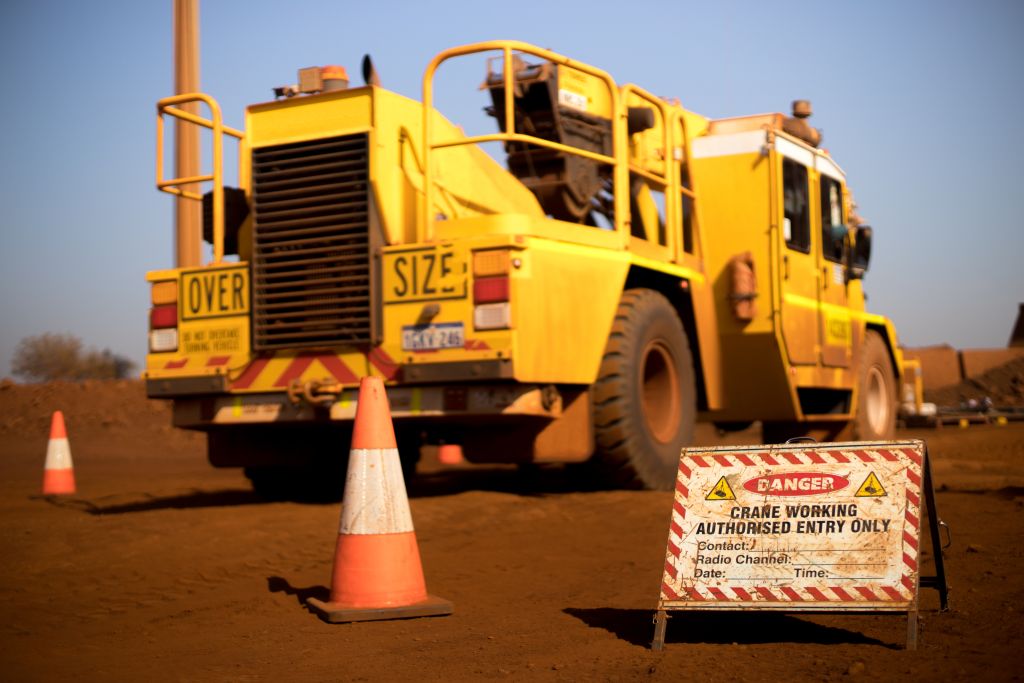
Who Should Complete Refresher Training?
Refresher training applies to anyone performing high-risk work, including but not limited to:
HRW Licence Holders: Anyone holding a high-risk work licence, such as those for mobile cranes, dogging, rigging, or forklifts.
Specific Licence Classes: Refresher courses are designed for specific licence classes, so you must take a refresher for the class you hold.
Even workers who perform these duties only occasionally benefit from refresher training to ensure they remain safe, skilled, and compliant.
Why Refresher Training Is So Important
Refresher training is about far more than compliance – it's about protecting lives, equipment workplaces.
Here's why it matters:
Skill maintenance: Keeps workers confident and capable, even if they haven't performed certain high-risk tasks recently.
Adapting to change: Crane safety systems, and automation are constantly evolving – refresher training ensures operators stay current.
Compliance: Reflects updates in WHS legislation, Australian Standards, and industry codes of practice.
Improved safety outcomes: Regular training reduces the risk of incidents caused by complacency or outdated methods of crane operation.
How Often Should Refresher Training Be Completed?
Under current Queensland guidance, mobile crane operators should complete refresher training between 2.5 and 3 years after:
obtaining their initial high-risk work licence, or
completing their most recent refresher training – whichever comes first.
This regular cycle helps ensure no worker's knowledge or competence falls behind industry expectations.
Record Keeping and Compliance
All workers who complete refresher training should maintain a documented record of their training.
This record must include:
The worker's full name and signature
Relevant high-risk work licence classes and numbers
The trainer's name and signature
Training dates and duration
Details of the training, equipment used, and outcomes achieved
Employers must also retain copies of these records as part of their safety management system and verification of competency (VOC) process.
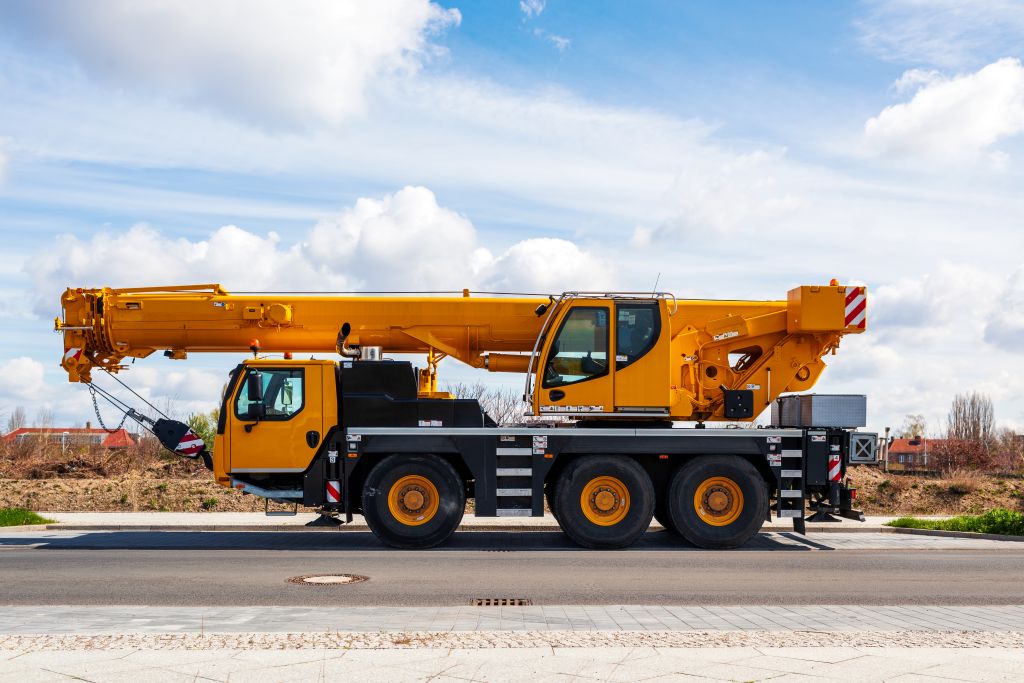
The Bottom Line
High-risk work requires high standards – and refresher training helps maintain them.
Completing refresher training every few years isn't just about meeting compliance requirements – it's about ensuring every worker returns home safely each day.
At Civil Safety, we deliver nationally recognised refresher courses for mobile crane operators and a wide range of high-risk work licences. Our training keeps workers and businesses aligned with the latest legislation, technology, and safety best practices.
Please contact Civil Safety today to book your refresher training or to discuss your site's high-risk work requirements.
About Civil Safety
Civil Safety is a leading Registered Training Organisation (RTO 32381) for the mining, civil and construction industries, with operations across Queensland and Western Australia.
We provide safety and operational training to thousands of people every year from a diverse range of backgrounds. Our highly experienced trainers bring real-world experience to the classroom, ensuring our students graduate ready for work with the skills, confidence and qualifications required for safe and compliant operation in dangerous environments.
With a vast range of courses, plus a variety of learning methods including face-to-face, blended and online, we can help you gain the skills you need to enter a new industry or upskill in your current career.
Find out more information on the range of courses we offer, or give us a call on 1300 CIVIL S.