
In construction, mining and other high-risk industries, safety is more than wearing the right PPE, following procedures and completing the required training. Looking after your workmates is also an important part of creating a safe workplace.
R U OK? Day is a reminder that a simple conversation can make a difference. Asking someone “Are you OK?” can open the door to a conversation that a colleague may really need.
For workers on site, where long hours, physically demanding work, remote locations, changing rosters and workplace pressures can all take a toll, checking in with your team can be particularly important.
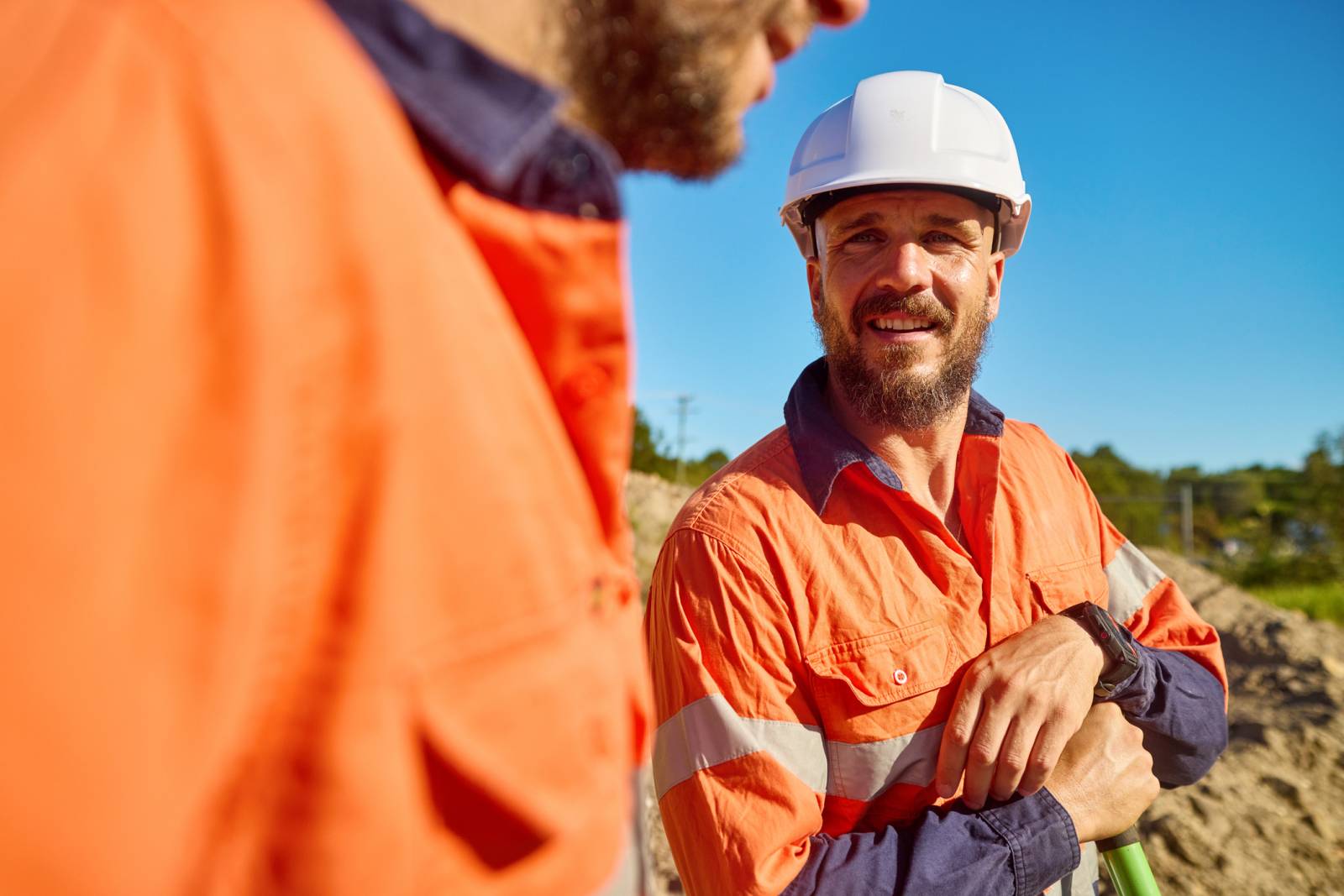
R U OK? Looking Out for Your Workmates on Site
Why checking in with your workmates matters
Worksites can be busy and demanding environments. Workers may be dealing with pressure at work as well as challenges outside of work, but those struggles aren't always obvious.
Someone who seems quieter than usual, is withdrawing from the team, appears unusually frustrated or is struggling to concentrate may be going through a difficult time.
This doesn't necessarily mean something is wrong, but it can be a reason to check in.
A simple “How are you going?” or “You seem a bit quiet today. Is everything OK?” can let someone know that their workmates care.
Mental health is part of workplace safety
When we talk about workplace safety, we often think about hazards such as moving machinery, working at heights, hazardous substances or confined spaces.
These physical hazards are important, but psychosocial hazards can also affect workers' health and safety.
Work-related stress, excessive workloads, bullying, harassment, poor workplace relationships, fatigue and isolation can all contribute to psychosocial risks.
Creating a workplace where people feel comfortable speaking up and supporting each other can help build a stronger safety culture.
How to ask “Are you OK?” at work
You don't need to be a mental health expert to start a conversation.
If you notice a change in a workmate, find a suitable time and place to talk privately.
You could start with:
“Are you OK?”
“You don't seem like yourself today. How are you going?”
“I've noticed you've been a bit quiet lately. Do you want to have a chat?”
“How have things been going for you?”
“Is there anything I can do to support you?”
The most important thing is to ask genuinely and give them an opportunity to talk.
Listen without trying to fix everything
If a colleague opens up, one of the most helpful things you can do is listen.
You don't necessarily need to have the right answer or solve their problems. Give them your attention, avoid judging them and allow them to talk at their own pace.
Try to avoid immediately saying things like:
“You'll be fine.”
“Everyone goes through this.”
“Just forget about it.”
“You need to toughen up.”
Instead, acknowledge what they've shared and let them know you appreciate them talking to you.
You can also encourage them to seek support from someone who is trained to help.
Look out for changes in your team
On a busy worksite, it's easy to overlook changes in a colleague's behaviour. Taking a moment to check in can help you recognise when someone might need additional support.
Some signs that someone may be struggling can include:
Becoming withdrawn or unusually quiet
Changes in mood or behaviour
Increased irritability or frustration
Losing interest in things they normally enjoy
Difficulty concentrating
Changes in work performance
Increased absenteeism or arriving late
Appearing unusually tired or overwhelmed
Talking about feeling hopeless or unable to cope
These signs don't automatically mean someone is experiencing a mental health problem. However, they can be a reason to start a conversation and let them know support is available.
FIFO workers and remote worksites
For FIFO and remote workers, staying connected can be particularly important.
Working away from home can mean spending extended periods away from family, friends and usual support networks. Long shifts, roster changes and living in remote locations can also affect people's wellbeing.
Checking in with your crew doesn't have to be complicated.
A quick conversation at smoko, asking how someone is travelling after a long shift, or making time to catch up with a colleague can help maintain connections within the team.
Looking out for each other is everyone's responsibility.
Building a supportive safety culture
A strong safety culture isn't just about reporting hazards and following procedures. It's also about creating an environment where workers feel respected, supported and comfortable speaking up.
Supervisors, managers and workers all have a role to play.
Consider making wellbeing part of your regular workplace conversations by:
Checking in with your team regularly
Encouraging open communication
Taking fatigue seriously
Making workers aware of available support services
Creating a workplace where asking for help isn't seen as a weakness
Looking out for changes in your workmates
Leading by example when it comes to wellbeing and safety
You don't have to have all the answers
If someone tells you they're struggling, remember that you don't have to fix everything yourself.
Encourage them to speak with a GP, counsellor, workplace wellbeing representative or another qualified professional. If your workplace has an Employee Assistance Program (EAP), you can also remind them that confidential support may be available.
If you believe someone is in immediate danger, seek urgent professional assistance rather than trying to manage the situation alone.
A safer workplace starts with looking out for each other
Safety on site isn't only about protecting yourself. It's about looking out for the people working alongside you.
This R U OK? Day, take a moment to check in with your workmates. You never know when someone might need to hear those three simple words:
R U OK?
A conversation can be small, but its impact can be significant.
At Civil Safety, we believe workplace safety is about more than compliance. It's about helping create workplaces where people have the knowledge, skills and support they need to work safely.
Look out for your workmates. Speak up when something doesn't feel right. And don't be afraid to ask: R U OK?